
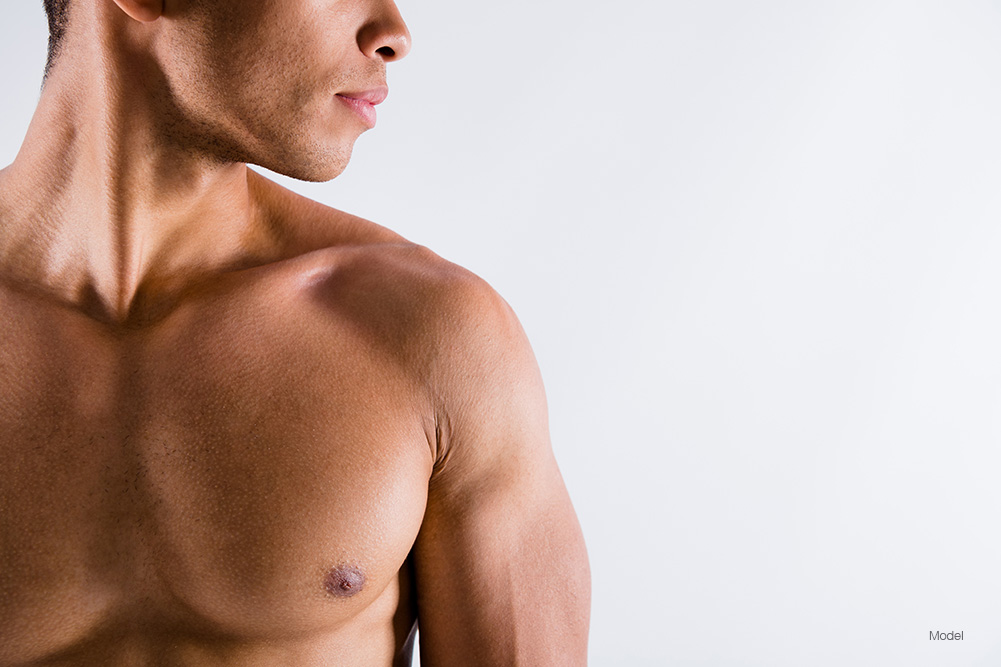
Gynecomastia surgery, also known as male breast reduction surgery is the best way for men to remove enlarged male breast tissue, or “man boobs.” While the surgery creates a flatter, more refined chest contour, you may be wondering whether the results are permanent. While the glandular tissue and excess fat removed during gynecomastia surgery do not grow back, certain factors may contribute to gynecomastia recurrence. This blog will discuss the conditions under which gynecomastia can return, what may increase your risk, and the steps you can take to help maintain your results.
5 Min Read:
Is Gynecomastia Surgery Permanent?
Gynecomastia surgery permanently removes excess fat and firm glandular tissue from enlarged male breasts, creating a smoother, more defined chest. Dr. Lo performs this procedure using advanced, painless techniques that removes unwanted fat cells with liposuction and removes dense glandular tissue by excisional surgery called subcutaneous mastectomy. For the best results, Dr. Lo performs both gland removal and liposuction for gynecomastia correction. The result is a toned chest contour that fits your natural shape and is permanent.
However, outside factors can rarely contribute to the re-development of gynecomastia. While removed fat and glandular tissue do not typically grow back on their own, similar fullness or enlargement may return with new hormonal imbalances, unhealthy lifestyle factors, or if some excess glandular tissue was not removed completely.
What Causes Gynecomastia Recurrence?
Hormone Imbalances
This is one of the most common causes of gynecomastia. Gynecomastia develops when the balance between estrogen and testosterone is disrupted. For many male teens, hormonal changes that occur during puberty continue into adulthood. For older patients, testosterone may naturally decline with age, which further contributes to glandular tissue development.
Anabolic Steroids or Certain Medications
Certain medications and substances can also promote gynecomastia recurrence. Anabolic steroids, anti-androgens, and certain prescription medications for medical conditions may raise estrogen levels or decrease testosterone.
While it makes sense to believe that testosterone-boosting substances can help maintain results, such substances are actually converted into estrogen in the body, especially without medical supervision. These strong fluctuations can re-stimulate excess breast tissue growth. Anabolic steroids, in particular, have strong connections to gynecomastia recurrence and should be avoided.
Health Conditions That Affect Hormones
Medical conditions, such as liver disease, thyroid disorders, or tumors around your body’s hormone-producing glands, may disrupt the balance of estrogen and testosterone, especially when untreated. These can affect hormone levels and promote the growth of new, enlarged breast tissue.
Lifestyle Factors
Maintaining a healthy, active lifestyle can help preserve your gynecomastia surgery results over time. Significant weight gain, an unhealthy diet, irregular exercise, and general substance use can significantly influence your masculine chest contour and cause unwanted changes.
How to Maintain Results and Avoid Gynecomastia Recurrence
Avoiding gynecomastia recurrence requires careful adherence to your post-operative guidelines and making thoughtful long-term health decisions. Maintaining a stable weight, staying active, and avoiding substances that affect hormone levels and trigger gynecomastia in unpredictable ways, such as anabolic steroids, can maximize the longevity of your results. Fortunately with properly performed gynecomastia surgery, gynecomastia recurrence is rare.
Each patient receives specific recovery instructions tailored to their needs and anatomy. These may include wearing compression garments, avoiding strenuous activity for certain periods, and caring for your incision sites. Following those instructions will support healing and reduce the risk of post-operative complications.
When maintaining a consistently healthy lifestyle, Dr. Lo will recommend regular cardio and pectoral muscle strength training soon after surgery to promote healthy body sculpting and further define chest contour. Patients should also avoid excessive alcohol, marijuana, and certain over-the-counter supplements that may affect the testosterone/estrogen balance.
Choose Dr. Adrian Lo for Expert Gynecomastia Help in Philadelphia and New Jersey
Board-certified plastic surgeon Dr. Adrian Lo is a top expert in the field of gynecomastia treatment. With over 25 years of experience, he understands that gynecomastia affects more than your chest contour; it also impacts confidence, comfort, and quality of life. Approaching each procedure with compassion and a patient-focused eye, Dr. Lo takes the time to review each patient’s medical history, listen to their needs, and recommend treatment plans tailored to the individual.
Dr. Lo’s expertise and precision with gynecomastia correction shows in his “No Pain Protocol”, a multi-faceted approach to treating gynecomastia that minimizes discomfort and facilitates a quick recovery with no pain medication unless needed. Most patients are back to normal within 2-3 days.
If you’re concerned that your gynecomastia has returned or worsened, Dr. Lo can evaluate your condition, identify the cause, and recommend the most appropriate next steps. Choosing Dr. Lo and his experienced team means choosing a plastic surgeon who understands every aspect of gynecomastia and is dedicated to helping you achieve a firmer, more confident chest.
Want to Learn More About Gynecomastia Recurrence in Philadelphia and New Jersey?
Gynecomastia can be frustrating on its own, but seeing it return after surgery can feel especially discouraging. If you’re concerned about gynecomastia recurrence, Dr. Adrian Lo and his experienced team are here to help you understand your symptoms and recommend steps to restore your chest contour.
Take control of your body and learn how to keep your gynecomastia at bay by scheduling a personalized consultation with Dr. Lo. If you’re a gynecomastia patient in Philadelphia, New Jersey, or the surrounding regions, contact Dr. Lo today by calling (215) 829-6900 or completing our online contact form.